
The foreign exchange market, commonly known as Forex or FX, is the largest and most liquid financial market in the world. Every day, trillions of dollars are exchanged as traders, corporations, and governments buy and sell currencies. For those looking to venture into this dynamic realm, understanding the fundamentals of Forex trading is essential. Here, we delve into various aspects of forex trading, including how the market operates, key trading strategies, and essential tips for both novice and experienced traders. For additional insights, you can visit forex trading foreign exchange market https://trading-asia.com/.
Forex trading involves buying one currency while simultaneously selling another. Currencies are traded in pairs, such as EUR/USD (Euro/US Dollar) or GBP/JPY (British Pound/Japanese Yen). The first currency in the pair is known as the base currency, and the second is the quote currency. The exchange rate of the currency pair indicates how much of the quote currency is needed to purchase one unit of the base currency.
The Forex market operates 24 hours a day, five days a week, and is decentralized in nature. Unlike stock markets, which have physical exchange locations, Forex trading is conducted over-the-counter (OTC) through electronic trading platforms. Major trading centers include London, New York, Tokyo, and Sydney.
Currency pairs are categorized into three main types: major, minor, and exotic pairs. Major pairs include the most traded currencies, such as the USD, EUR, and JPY. Minor pairs involve currencies that are less frequently traded, and exotic pairs blend a major currency with a currency from a developing economy. Knowledge of these pairs is crucial for developing effective trading strategies.
Successful Forex trading requires the implementation of well-defined strategies. Here are a few common approaches:
Day trading involves opening and closing trades within the same day. This strategy takes advantage of short-term market movements and can be beneficial in highly volatile market conditions.
In swing trading, traders seek to capture short to medium-term gains by holding positions for several days or weeks. This strategy requires a good understanding of chart patterns and market trends.
Scalping is a very short-term trading strategy where traders make numerous trades throughout the day to exploit small price movements. This method demands quick decision-making and execution.
Effective trading requires thorough market analysis, which can be classified into three main types:
This approach involves analyzing economic indicators, interest rates, and geopolitical events to determine the potential movements in currency pairs. Fundamental analysis helps traders understand the broader market trends.
Technical analysis focuses on historical price data and chart patterns to forecast future market movements. Traders use various indicators and tools, such as Moving Averages, RSI (Relative Strength Index), and Fibonacci retracements, to analyze price trends.
Sentiment analysis gauges market sentiment and trader psychology. It involves analyzing the positioning of other traders to predict price movements. Tools like the Commitment of Traders (COT) report can provide insights into market sentiment.
Choosing the right Forex broker is critical for successful trading. Here are some factors to consider:
Ensure that the broker is regulated by a reputable financial authority, which provides a level of security and trust.
The trading platform should be user-friendly, reliable, and equipped with powerful tools for analysis and executing trades.
Understanding the costs involved in trading, including spreads, commissions, and overnight fees, is vital for determining profitability.
Effective customer support can make a significant difference, especially for novice traders who may need assistance navigating the platform.
Risk management is one of the most crucial aspects of Forex trading. Here are some strategies to manage risk effectively:
Use stop-loss orders to automatically close a trade when it reaches a certain loss level, helping limit potential losses.
Determine the appropriate size of your trades based on your account balance and risk tolerance. A common rule is to risk no more than 1% of your account on a single trade.
Diversifying your trading portfolio can spread risk across different currency pairs, reducing the impact of a poor performance in any single trade.
Forex trading can be rewarding but also involves significant risks. By understanding the fundamentals, developing effective trading strategies, performing thorough market analysis, and implementing robust risk management practices, traders can enhance their chances of success in the vibrant foreign exchange market. Whether you’re a beginner or an experienced trader, continual learning and adaptation are key to long-term profitability in Forex trading. Happy trading!
In recent years, global forex trading has gained immense popularity as individuals and institutions explore the potential of currency exchange in the multifaceted market. With the increasing accessibility of platforms like global forex trading Crypto Trading App, traders can engage in the forex market 24/5, maximizing their opportunities to capitalize on price movements across different currencies. This article delves into the intricacies of global forex trading, its benefits, challenges, and the significance of technological advancements in shaping its future.
Forex, or foreign exchange, is the global marketplace for trading national currencies against one another. It is one of the largest financial markets in the world, with an average daily trading volume exceeding $6 trillion. Forex trading occurs over the counter (OTC), meaning transactions take place directly between parties rather than through a centralized exchange.
In forex trading, a currency pair is quoted, reflecting the value of one currency against another. Major pairs include EUR/USD, USD/JPY, and GBP/USD, while minor and exotic pairs also exist, catering to varied trading preferences and strategies.
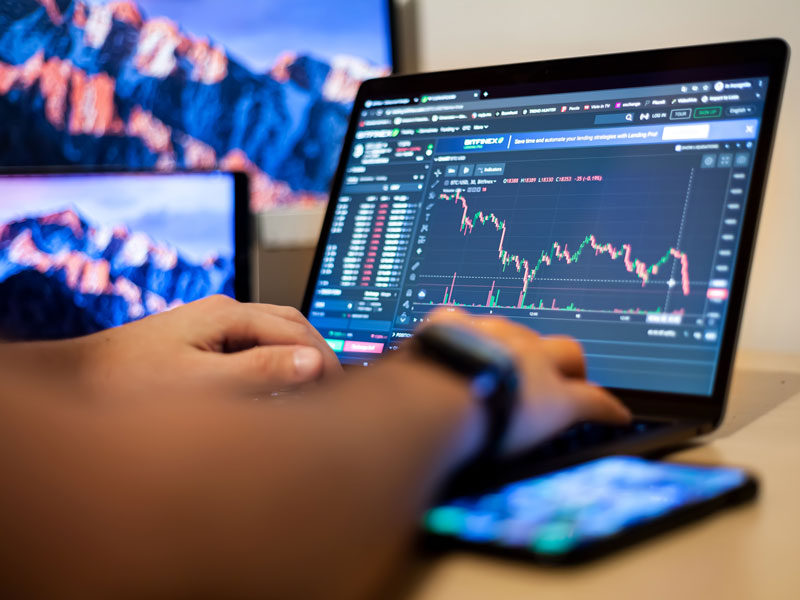
Despite its many benefits, forex trading is not without challenges. The market’s high volatility can lead to significant losses if traders are not adequately prepared. Here are some common challenges encountered:
Technology has significantly transformed the landscape of forex trading. The advent of online trading platforms, mobile applications, and algorithmic trading has made it easier for individuals to participate in the market. Here are some technological advancements shaping forex trading:
To navigate the complexities of forex trading successfully, traders should adopt well-defined strategies tailored to their individual goals and risk tolerances. Here are some effective strategies to consider:
Global forex trading presents a myriad of opportunities for traders to explore. While the market’s accessibility and liquidity are appealing, it is crucial to acknowledge the inherent risks and challenges. By leveraging technological advancements and adopting disciplined trading strategies, participants can enhance their chances of success in this dynamic marketplace. Whether you are a seasoned trader or just starting, understanding the fundamentals of forex trading will equip you with the tools needed to navigate this complex landscape effectively.