

Forex trading has become increasingly popular over the years, enabling individuals and institutions to trade currencies 24 hours a day. Central to this trading ecosystem are forex trading online broker India Brokers, which serve as the bridge between the forex market and individual traders. In this article, we delve into the intricacies of forex trading, the assets involved, and how online brokers function in this dynamic environment.
The foreign exchange market, or forex, is the largest financial market globally, with a daily trading volume exceeding $6 trillion. Unlike stock markets, forex has no centralized exchanges; instead, it operates through a network of banks, dealers, and brokers. Traders buy and sell currency pairs—such as EUR/USD or USD/JPY—to profit from changes in exchange rates.
Forex trading involves trading currency pairs, where one currency is exchanged for another. Each currency pair consists of a base currency and a quote currency. The value indicates how much of the quote currency is needed to purchase one unit of the base currency. Traders can either go long (buy) if they believe the base currency will strengthen or go short (sell) if they anticipate it will weaken.
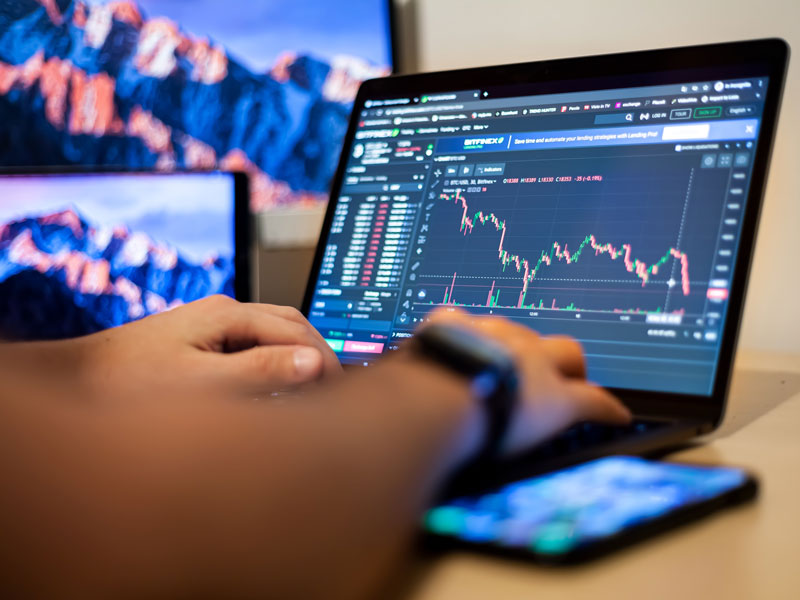
Trading is typically conducted through an online broker, which provides the necessary platform for executing trades. These platforms offer various tools and resources, including real-time price charts, technical analysis tools, and news feeds to help traders make informed decisions.
Online brokers are essential for retail traders—those who trade in smaller amounts compared to financial institutions. They offer trading platforms that facilitate the buying and selling of currencies, providing the technology and support necessary for traders to function effectively in the forex market.
Brokers typically fall into two categories: market makers and ECN (Electronic Communications Network) brokers. Market makers set buy and sell prices and can provide liquidity, whereas ECN brokers connect traders directly to other market participants, offering a more competitive pricing model based on market demand.
Selecting the right forex broker can significantly impact a trader’s success. Here are some critical factors to consider:
When signing up with an online broker, traders typically choose from various account types, including:
Leverage is a powerful feature offered by forex brokers that allows traders to control larger positions with a smaller amount of capital. For example, a broker may offer a leverage ratio of 100:1, meaning that for every $1 in a trading account, the trader can control $100 in the market. While leverage can amplify profits, it also poses a significant risk since it can magnify losses.
Margin is the amount of money required to open and maintain a leveraged position. Understanding margin requirements is crucial for effective risk management in forex trading. A trader must ensure they have sufficient funds in their account to meet these requirements to avoid margin calls or forced liquidation of positions.
Successful forex trading often hinges on employing effective strategies. Here are a few common approaches:
Risk management is a critical aspect of forex trading. Traders must evaluate their risk tolerance and implement strategies to protect their capital. Some effective risk management techniques include:
The world of forex trading is both exciting and potentially lucrative, but it necessitates a solid understanding of the market, trading strategies, and the role of online brokers. By choosing a reputable broker and implementing effective risk management techniques, traders can navigate this complex environment and work towards their financial goals.
As the forex market continues to evolve, staying informed and educated will be paramount for success. Whether you’re a beginner or a seasoned trader, harnessing the advantages of online brokers will undoubtedly enhance your trading experience and opportunities.
In recent years, forex trading has undergone a significant transformation due to advancements in technology. One of the most noteworthy developments is the integration of artificial intelligence (AI) in trading practices. As we navigate through the 21st century, AI algorithms are not only enhancing trading strategies but also reshaping the entire landscape of forex trading. As part of this exploration, ai trading forex minereum.com provides valuable insights into the intersection of AI and currency trading.
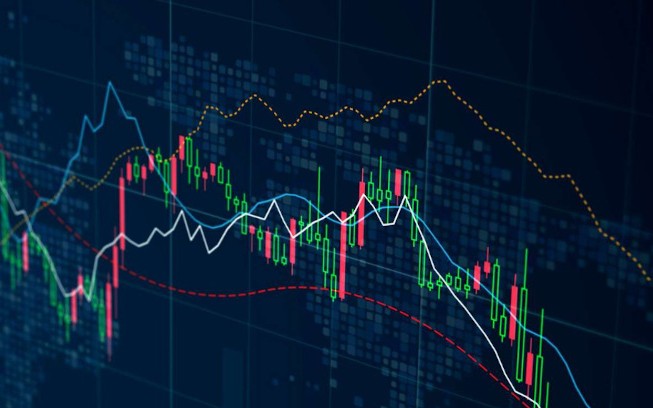
Artificial intelligence refers to the simulation of human intelligence processes by machines, particularly computer systems. In the context of forex trading, AI can analyze vast amounts of data, recognize patterns, and execute trades at speeds and accuracies unattainable by human traders. The application of machine learning algorithms enables AI systems to improve their performance over time by learning from historical data and adapting to new information.
AI trading systems typically combine various technologies to execute a well-rounded trading strategy. Most systems use algorithms trained on historical market data to identify profitable trading opportunities. These algorithms employ methods such as:
While the advantages of AI in forex trading are numerous, several challenges must be addressed:
Looking ahead, the role of AI in forex trading is expected to expand and evolve. Some trends to watch for include:
AI is undeniably reshaping the way forex trading is conducted, introducing efficiencies and innovations that were previously unimaginable. As technology continues to develop, traders who embrace AI will be well-positioned to thrive in an increasingly competitive market. Although there are challenges associated with the adoption of AI, the potential benefits and advancements it offers far outweigh the risks. For a more in-depth understanding of this integration and other aspects of trading, resources like minereum.com can be invaluable in navigating this dynamic field.